Scottish Highlands offers an entirely different experience!
The Ultimate Guide to Visiting the Scottish Highlands from Edinburgh
Scotland is a country of extraordinary landscapes, ancient castles, mysterious lochs and fascinating history. While Edinburgh provides the perfect introduction to Scottish culture, the dramatic scenery of the Scottish Highlands offers an entirely different experience.
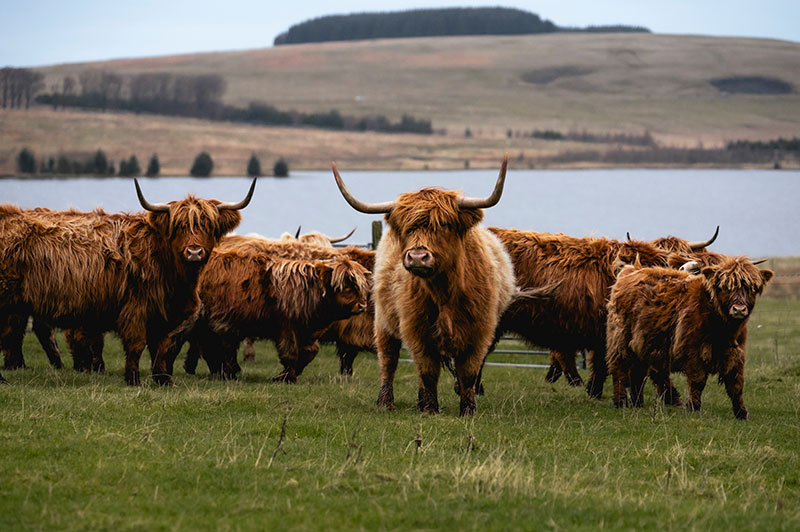
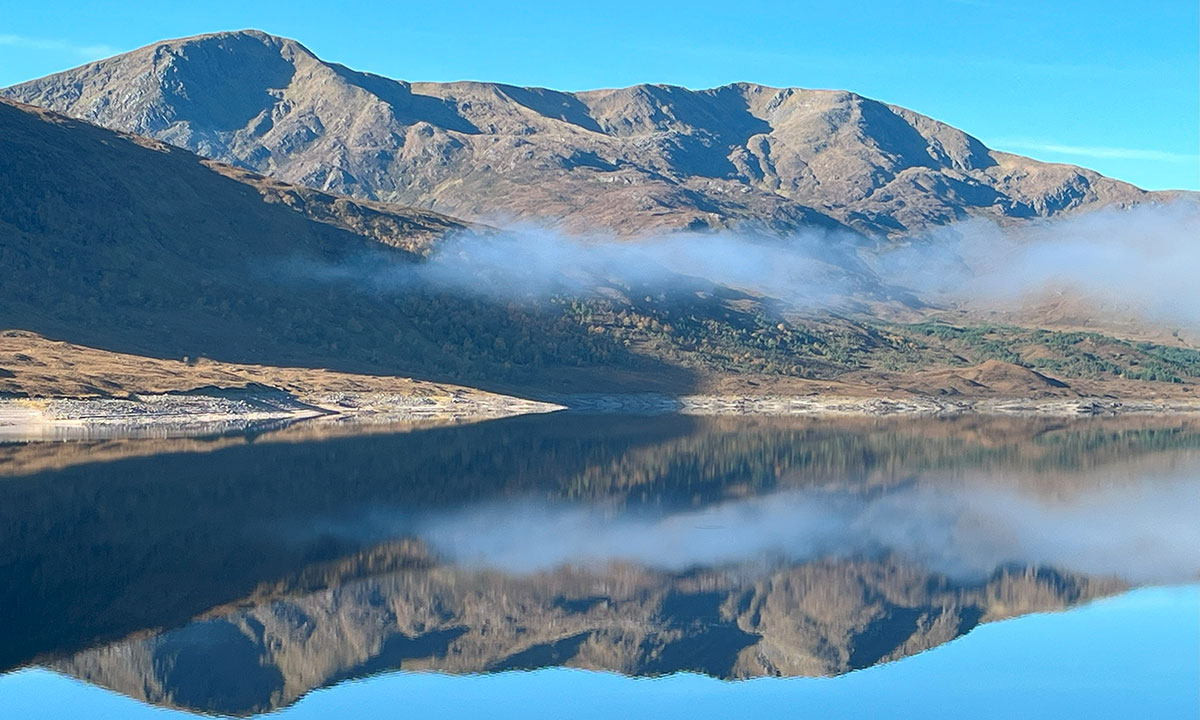
Imagine travelling through peaceful countryside before reaching towering mountains, deep glens, shimmering lochs and traditional Highland villages. Along the way, you might encounter Scotland’s famous Highland cattle, discover centuries-old castles or explore the legendary waters of Loch Ness.
For visitors staying in the capital, exploring the Scottish Highlands from Edinburgh is one of the most memorable experiences you can enjoy during a Scottish holiday.
Despite their seemingly remote location, several spectacular Highland destinations can be reached on a day trip from Edinburgh. With additional time, the possibilities extend to the Isle of Skye, Inverness, the Cairngorms and some of Scotland’s most breathtaking coastal landscapes.
Whether you’re planning a short visit or an extended Scottish adventure, this guide explains everything you need to know about travelling from Edinburgh to the Highlands, including the best destinations, journey times, scenic routes and advantages of exploring with a private driver-guide.
Where Are the Scottish Highlands?
The Scottish Highlands cover a vast area of northern and western Scotland, renowned for their rugged mountains, remote landscapes, ancient forests and spectacular coastline.
The region is home to some of the country’s most recognisable natural attractions, including Ben Nevis, Loch Ness, Glencoe and the Cairngorm Mountains.
Unlike the rolling farmland and historic towns surrounding Edinburgh, the Highlands are characterised by dramatic changes in elevation, expansive wilderness and a remarkable sense of tranquillity.
The area is also deeply connected to Scotland’s cultural identity, with a rich history of Highland clans, Gaelic traditions, legendary battles and traditional music.
For many international visitors, particularly those travelling from the United States, Canada and Australia, the Highlands represent the Scotland they have always imagined.
Yet one of the most surprising aspects of visiting Scotland is just how accessible some of these landscapes are from Edinburgh.
How Far Are the Scottish Highlands from Edinburgh?
The distance between Edinburgh and the Highlands depends on which destination you wish to visit.
The southern edges of the Highlands can be reached in approximately 90 minutes to two hours, while more distant destinations require considerably longer journeys.
Here are some approximate driving times from Edinburgh:
| Destination | Approximate driving time (one way) |
| Callander and the Trossachs | 1–1.5 hours |
| Pitlochry | 1.5–2 hours |
| Glencoe | 2.5–3 hours |
| Fort William | 3–3.5 hours |
| Loch Ness (Fort Augustus) | 3.5–4 hours |
| Inverness | 3–3.5 hours |
| Isle of Skye (Portree) | 5.5–6.5 hours |
These are estimated driving times without lengthy sightseeing stops. Traffic, roadworks, weather conditions and seasonal visitor numbers can influence the journey.
For those planning a Scottish Highlands day trip from Edinburgh, destinations such as Glencoe, Pitlochry and the southern Highlands offer particularly rewarding experiences.
If you have several days available, travelling further north provides opportunities to explore remote Highland communities, historic battlefields and the spectacular Isle of Skye.
1. Glencoe: Discover Scotland’s Most Dramatic Highland Scenery
Few destinations capture the extraordinary beauty of the Scottish Highlands quite like Glencoe.
Located in the western Highlands, this magnificent valley is surrounded by towering mountains, rugged ridges, cascading waterfalls and dramatic open landscapes.
Glencoe is widely regarded as one of Scotland’s most spectacular scenic locations and is a favourite destination for photographers, nature lovers and visitors interested in Highland history.
The Famous Three Sisters of Glencoe
One of the most recognisable sights in the valley is the Three Sisters, three imposing ridges that dominate the surrounding landscape.
The mountains provide a breathtaking backdrop for photographs, particularly when low clouds drift through the valley or sunlight illuminates the rugged slopes.
There are several viewpoints where visitors can stop and appreciate the scenery without undertaking a lengthy hike.
The History of Glencoe
Beyond its natural beauty, Glencoe is associated with one of the most tragic events in Scottish history.
In February 1692, members of the MacDonald clan were killed by government soldiers who had previously accepted their hospitality.
Known as the Massacre of Glencoe, the event remains a powerful part of Scotland’s historical identity.
Exploring the valley with a knowledgeable guide adds another dimension to the experience, bringing the landscape’s fascinating and sometimes turbulent past to life.
What Else Can You See Around Glencoe?
Depending on your itinerary, nearby highlights may include Loch Tulla, Rannoch Moor, Loch Achtriochtan and Glen Etive.
Each offers a different perspective on the Highlands, from peaceful waters to remote mountain scenery.
For visitors with limited time, Glencoe is one of the finest destinations for experiencing the dramatic landscapes of Scotland in a single day.
Explore our private Glencoe tour from Edinburgh to discover this remarkable region.
2. Loch Ness: Explore Scotland’s Most Famous Loch
No guide to the Scottish Highlands would be complete without mentioning Loch Ness.
Famous throughout the world for the legendary Loch Ness Monster, this remarkable freshwater loch stretches for approximately 23 miles through the Great Glen.
Its dark waters, forested hillsides and atmospheric surroundings make it one of Scotland’s most recognisable natural attractions.
Discover the Legend of Nessie
Stories of a mysterious creature inhabiting Loch Ness have fascinated visitors for generations.
Although there is no scientific evidence confirming the existence of the Loch Ness Monster, the legend continues to attract travellers from around the world.
For many visitors, simply standing beside the loch and imagining what might lie beneath its waters is part of the experience.
Visit Fort Augustus
Located at the southern end of Loch Ness, Fort Augustus is a picturesque Highland village and a popular stopping point for visitors.
The village is particularly famous for its impressive series of locks along the Caledonian Canal.
Visitors can watch boats travelling through the locks, enjoy a meal at a local café or explore the peaceful surroundings.
Fort Augustus also provides excellent opportunities to admire Loch Ness itself.
Enjoy the Journey Through Highland Perthshire
Travelling from Edinburgh to Loch Ness takes you through beautiful Highland scenery.
Depending on your chosen route, stops may include the charming town of Pitlochry, peaceful woodland walks and scenic viewpoints.
King Tours Scotland’s private Loch Ness tour includes opportunities to experience The Hermitage, Pitlochry and Fort Augustus, with a possible stop at Dalwhinnie Distillery.
Although Loch Ness is a longer day trip from Edinburgh, the journey offers a wonderful introduction to Scotland’s changing landscapes.
3. Pitlochry and Highland Perthshire: A Gateway to the Highlands
For visitors seeking a more relaxed introduction to the Highlands, Pitlochry and the surrounding Perthshire countryside provide an excellent choice.
Located north of Edinburgh, Pitlochry is a charming town surrounded by wooded hills, rivers and beautiful Highland scenery.
The town is known for its welcoming atmosphere, traditional shops, attractive architecture and proximity to several natural attractions.
Explore The Hermitage
Near Dunkeld, The Hermitage is one of Perthshire’s most beautiful woodland destinations.
Towering Douglas fir trees, peaceful forest paths and the rushing River Braan create a wonderful setting for a short walk.
The famous Black Linn Falls provide a particularly impressive sight following periods of rainfall.
Discover Blair Castle
A short drive north of Pitlochry brings you to Blair Castle, the historic home of the Atholl family.
With its distinctive white exterior, fascinating interiors and attractive grounds, the castle offers an excellent insight into Scotland’s aristocratic history.
The surrounding countryside also provides beautiful views of Highland Perthshire.
Experience Traditional Scottish Whisky
The region is home to several famous whisky distilleries, including Blair Athol and Dalwhinnie further north.
For visitors interested in Scotland’s whisky heritage, combining a distillery experience with scenic Highland sightseeing makes for a memorable day.
Pitlochry is particularly appealing to travellers who want to experience Highland culture and scenery without spending too many hours travelling.
4. Loch Lomond and the Trossachs: Scotland’s Beautiful Gateway to the Highlands
Loch Lomond and the Trossachs National Park offers an extraordinary combination of freshwater lochs, wooded hills, mountains and picturesque villages.
Situated northwest of Edinburgh, this beautiful region is often described as the gateway to the Highlands.
The landscape provides a wonderful transition from Scotland’s central lowlands to the more rugged scenery further north.
Explore Loch Lomond
Loch Lomond is one of Scotland’s most celebrated freshwater lochs, renowned for its beautiful surroundings and numerous islands.
Its southern shores are easily accessible, while the northern sections offer increasingly dramatic mountain scenery.
Discover Loch Katrine and Loch Lubnaig
Loch Katrine is another outstanding destination, surrounded by forested hills and peaceful countryside.
Nearby Loch Lubnaig offers attractive waterside viewpoints and is particularly beautiful during autumn.
The charming town of Callander provides a convenient stop for refreshments and an opportunity to explore traditional Scottish shops.
For visitors who prefer a shorter day trip, the Trossachs offer an excellent combination of scenic beauty and accessibility.
5. The Isle of Skye: Scotland’s Magical Island Landscapes
For those fortunate enough to have several days available, the Isle of Skye is one of the most extraordinary destinations in Scotland.
Located off the west coast, Skye is famous for its rugged mountain ranges, dramatic coastal cliffs, waterfalls and ancient castles.
The island’s scenery feels almost otherworldly, with spectacular geological formations and constantly changing weather conditions.
Discover the Quiraing
The Quiraing is one of Skye’s most remarkable landscapes.
Its unusual rock formations, steep cliffs and sweeping views make it a favourite location for photographers and walkers.
Visit the Old Man of Storr
Another iconic landmark is the Old Man of Storr, a towering rock pinnacle rising above the surrounding countryside.
The landscape is particularly atmospheric during misty weather, creating dramatic photographic opportunities.
Explore Eilean Donan Castle
Although located on the mainland rather than Skye itself, Eilean Donan Castle is a popular stop on the journey towards the island.
Situated on a small tidal island where three sea lochs meet, it is one of Scotland’s most photographed castles.
Can you visit the Isle of Skye from Edinburgh in one day?
While technically possible to reach the island and return within a very long day, doing so leaves little time for sightseeing.
For a genuinely enjoyable experience, we recommend allowing at least two or three days.
King Tours Scotland offers private multi-day Scotland tours that can incorporate Skye and other Highland destinations.
6. Inverness and Culloden: Discover the History of the Highlands
Inverness is often referred to as the capital of the Highlands and provides an excellent base for exploring northern Scotland.
Situated beside the River Ness, the city combines attractive architecture, traditional Scottish hospitality and easy access to historic landmarks.
Explore Culloden Battlefield
Located a short distance from Inverness, Culloden Battlefield is one of Scotland’s most historically significant sites.
On 16 April 1746, the final pitched battle fought on British soil took place here, bringing the Jacobite rising of 1745 to a devastating conclusion.
Today, visitors can explore the battlefield, discover the stories of those involved and learn about the profound consequences of the conflict.
Discover Clava Cairns
Nearby Clava Cairns is a remarkable prehistoric burial site featuring ancient stone circles and chambered tombs.
Dating back approximately 4,000 years, the site provides a fascinating connection to Scotland’s distant past.
Although Inverness can be reached from Edinburgh in a day, combining the city with Culloden, Clava Cairns and Loch Ness is better suited to a longer Highland itinerary.
What Is the Best Way to Visit the Scottish Highlands from Edinburgh?
There are several ways to explore the Highlands, including hiring a car, joining a coach excursion or booking a private guided tour.
Each option has advantages, depending on your budget, experience and preferred style of travel.
Hiring a Car
Self-driving offers considerable independence, allowing you to explore at your own pace.
However, navigating unfamiliar Highland roads can be challenging, particularly for international visitors unaccustomed to driving on the left.
Narrow roads, unpredictable weather and limited parking at popular attractions can also make journeys more demanding.
Joining a Coach Tour
Organised coach excursions provide a convenient way to visit popular Highland destinations.
They are often economical for individual travellers, although fixed schedules and large groups can limit flexibility.
Booking a Private Highlands Tour
For visitors seeking comfort, convenience and a personalised experience, a private guided tour offers significant advantages.
With King Tours Scotland, you can explore the Highlands in an executive Mercedes vehicle with an experienced Scottish driver-guide.
Tours are exclusively for your group, with flexible itineraries, hotel collection and space for up to eight passengers.
Instead of concentrating on directions and parking, you can enjoy the scenery while learning about the history, traditions and fascinating stories behind the places you visit.
When Is the Best Time to Visit the Scottish Highlands?
The Scottish Highlands offer remarkable scenery throughout the year, although each season creates a different experience.
Spring: March to May
Spring brings longer daylight hours, fresh green landscapes and beautiful woodland scenery.
It is an excellent time for photography and exploring before the busiest summer months.
Summer: June to August
Summer offers the longest daylight hours, making it ideal for extended sightseeing trips.
Popular destinations can become busy, so booking tours and attractions in advance is recommended.
Autumn: September to November
Autumn transforms the Highlands into a landscape of golden forests, rich colours and atmospheric mountain scenery.
The changing light makes this an especially rewarding season for photographers.
Winter: December to February
Snow-covered mountains and peaceful landscapes can make winter particularly beautiful.
However, shorter daylight hours and unpredictable road conditions mean itineraries may need to be adjusted.
What Should You Bring on a Scottish Highlands Tour?
Scotland’s weather can change quickly, sometimes bringing sunshine, rain and strong winds within the same day.
To remain comfortable during your journey, we recommend bringing:
- A waterproof jacket and warm layers
- Comfortable walking shoes
- A camera or smartphone
- Water and light refreshments
- Sunglasses and sunscreen during warmer months
- A small backpack for personal belongings
- Insect repellent during the Highland midge season
Even during summer, temperatures in exposed mountain areas can feel considerably cooler than in Edinburgh.
How Many Days Do You Need to Explore the Scottish Highlands?
The ideal length of your visit depends on the destinations you want to experience.
One day: Perfect for Glencoe, the Trossachs, Highland Perthshire or a longer journey to Loch Ness.
Two days: Allows more time to explore Highland landscapes, historic castles and charming villages, with an overnight stay reducing the amount of daily travelling.
Three to four days: Provides opportunities to combine Glencoe, Loch Ness, Inverness and potentially the Isle of Skye.
Five days or longer: Ideal for discovering remote Highland destinations, beautiful coastal routes, additional islands and lesser-known attractions.
For visitors with limited time, a private day tour from Edinburgh provides an excellent introduction. Those planning a longer holiday can explore much further without feeling rushed.
Experience the Scottish Highlands with King Tours Scotland
The Scottish Highlands offer some of the most extraordinary landscapes and memorable experiences anywhere in Europe.
From the towering mountains of Glencoe and the legendary waters of Loch Ness to peaceful Highland villages, ancient castles and world-famous whisky distilleries, there is something to inspire every traveller.
At King Tours Scotland, we specialise in creating private Scottish adventures that combine spectacular scenery, fascinating history and personalised service.
As a family-run Edinburgh tour company, we take pride in helping visitors discover Scotland beyond the usual tourist routes.
Whether you’re planning a single-day Highland adventure or a longer journey through Scotland’s mountains and islands, our private tours allow you to explore in comfort and at your own pace.
Browse our private one-day Scotland tours or explore our full collection of private Scotland tours to start planning your adventure.
Ready to discover the real Scotland?
Contact King Tours Scotland today and let us help you create an unforgettable journey from Edinburgh into the heart of the Scottish Highlands.
Frequently Asked Questions About Visiting the Scottish Highlands from Edinburgh
Can you visit the Scottish Highlands from Edinburgh in one day?
Yes. Popular Highland destinations such as Glencoe, Pitlochry and the Trossachs can be visited on a day trip from Edinburgh. Loch Ness is also possible, although it requires a longer journey.
How long does it take to reach the Scottish Highlands from Edinburgh?
The southern Highland areas can be reached in approximately 90 minutes to two hours. Glencoe takes around three hours, while Loch Ness generally requires three and a half to four hours of driving each way.
Is Glencoe or Loch Ness better for a day trip?
Glencoe is particularly suitable for visitors seeking dramatic mountain scenery and photography opportunities. Loch Ness appeals to travellers interested in Scotland’s most famous loch, Highland villages and the legend of Nessie.
Do you need a car to explore the Scottish Highlands?
No. Private guided tours provide a convenient alternative to self-driving, with transport, route planning and local knowledge included.
Are private Highlands tours suitable for families?
Yes. Private tours are particularly suitable for families because the itinerary and pace can often be adjusted to accommodate different ages and interests.
Can you visit the Isle of Skye from Edinburgh?
Yes, although a multi-day itinerary is strongly recommended. The journey is too long for most visitors to enjoy a meaningful sightseeing experience in a single day.